
I’m a problem solver first
I’m a problem
solver first
When a client comes to me, they're rarely asking for a logo, or a new colour palette, or a prettier pack.
They're asking for help solving a problem.
Sales have stalled. The brand feels dated. Customers don't understand the product. They need to stand out on shelf.
Design is simply one of the tools we use to solve it.
That distinction matters more than most people realise, because it changes where the work actually begins.
Understanding the problem is often harder than creating the solution. Anyone can make something look good. Far fewer people take the time to properly understand why it's needed in the first place.
And if we solve the wrong problem beautifully, we've still failed.
Over 30 years in branding and packaging, I've learnt that the strongest creative work starts with curiosity. Not with a mood board. Not with a font. With questions.
What's actually happening in this category? What does this business need to be true in twelve months? What does the customer see, feel and believe in the three seconds they spend deciding?
The more we understand the business, the customer and the challenge, the stronger the creative solution becomes.
This is why I still line up competitor packs before I open a design file. It's why I ask clients about their sales data before I ask about their aesthetic preferences. It's why "make it pop" has never once been a useful brief, but "our new customers don't understand what makes us different" always is.
Because a beautifully designed pack that solves the wrong problem doesn't help anyone. It might win an award. It won't move product.
That's what I love most about this job.
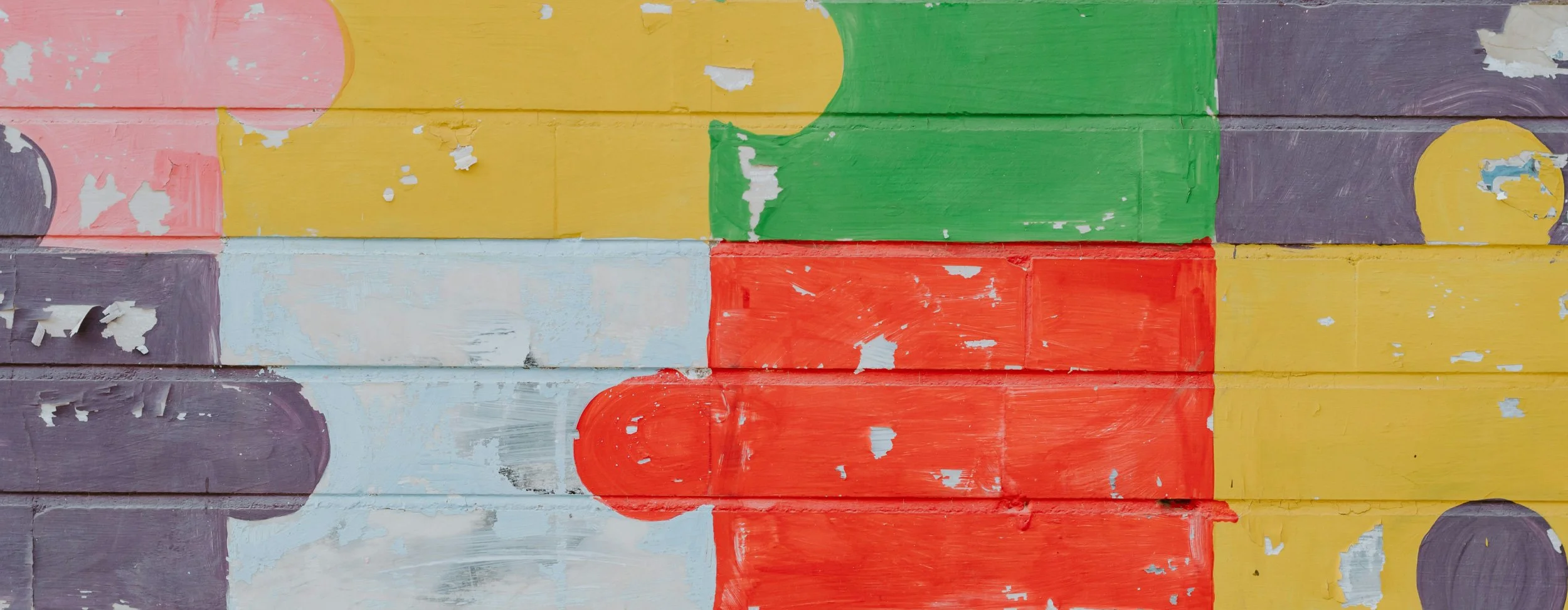
Every project is a new puzzle. Every brand has a different challenge. Every solution should be unique.
Not unique because I've decided to make it different for its own sake. Unique because the problem underneath it was never the same problem twice.
Some brands need to feel more premium. Others need to feel more familiar. Some need permission to be bold. Others need permission to simplify.
You can't know which one you're solving for until you've actually done the work of understanding it.
So when people ask what I do, I could say I design packaging. That's true, but it's not the whole answer.
What I actually do is solve problems. Design is just the language I use to answer them.